


Search Engine Optimization (SEO) is evolving rapidly, and artificial intelligence (AI) is playing a significant role in reshaping how websites rank, how marketers optimize content, and how search engines deliver results. With AI-driven tools and machine learning algorithms, digital marketers can now analyze vast amounts of data, automate repetitive tasks, and optimize content with greater efficiency.
AI-powered SEO tools can identify keyword trends, suggest content improvements, and even predict changes in search algorithms before they happen. More importantly, AI helps businesses enhance user experience by providing insights into search intent, content relevance, and engagement metrics. In 2025, the integration of AI in SEO is no longer just an advantage—it’s a necessity for staying ahead in search rankings.
This guide explores the role of AI in SEO, its benefits, potential challenges, best practices, and how businesses can effectively leverage AI-powered SEO tools for better search engine visibility.
How Digital Marketers Use AI in 2025: Where We Stand So Far
Artificial intelligence has become a fundamental part of digital marketing, revolutionizing everything from content creation to audience targeting. In 2025, AI is more sophisticated than ever, allowing marketers to optimize SEO strategies in ways that were previously impossible.
Advanced AI-powered tools now help marketers automate keyword research, create high-quality content, analyze competitor data, and even predict changes in Google’s algorithm. By leveraging AI, businesses can gain deep insights into search intent, improve content relevance, and enhance the overall user experience.
One of the biggest advantages of AI in SEO is its ability to process large datasets in real time. AI algorithms can analyze user behavior, identify emerging trends, and optimize content dynamically. This means businesses can adjust their SEO strategies quickly, ensuring they remain competitive in an ever-changing digital landscape.
Let’s take a closer look at how today’s marketers are using AI to enhance their SEO efforts.
How Do Today’s Marketers Use AI?
AI is transforming digital marketing in several key areas. Here’s how marketers are currently using AI to optimize their SEO strategies:
1. AI-Driven Keyword Research
Keyword research has always been the backbone of SEO, but AI is making it more precise and efficient. AI-powered tools like Semrush, Ahrefs, and Google’s AI-driven search algorithms analyze search queries in real-time to uncover keyword trends, search intent, and long-tail keyword opportunities. These tools help marketers identify high-value keywords that are more likely to convert, reducing the guesswork involved in traditional keyword research.
2. AI-Powered Content Creation and Optimization
AI is now capable of generating human-like content, helping marketers create blog posts, product descriptions, and ad copy faster than ever. Platforms like ChatGPT, Jasper, and Writesonic use natural language processing (NLP) to generate content that is engaging, informative, and optimized for search engines.
Additionally, AI tools like Surfer SEO and Clearscope analyze top-ranking content and suggest improvements to help marketers create highly optimized articles. These tools provide recommendations on keyword usage, readability, sentence structure, and semantic relevance, ensuring that content aligns with user intent.
3. Predictive Search Algorithm Analysis
Google’s algorithm updates can significantly impact SEO strategies. AI-powered SEO tools analyze historical data and search patterns to predict upcoming changes in Google’s ranking criteria. By leveraging AI-driven insights, marketers can proactively adjust their strategies to maintain or improve their rankings before an algorithm update takes effect.
4. Voice Search Optimization
With the rise of voice assistants like Siri, Alexa, and Google Assistant, voice search optimization has become a priority. AI helps marketers understand natural language processing (NLP) patterns, allowing them to optimize content for conversational queries. This includes structuring content in a question-and-answer format and using long-tail keywords that match spoken search queries.
5. AI-Based SEO Audits and Website Optimization
AI-powered tools like Screaming Frog, Sitebulb, and SEMrush Copilot perform comprehensive SEO audits, identifying technical issues such as broken links, slow-loading pages, duplicate content, and indexing problems. AI-driven audits provide actionable recommendations to improve website health and enhance search engine rankings.
6. Sentiment Analysis and User Behavior Insights
AI can analyze user behavior, engagement metrics, and sentiment analysis to understand how audiences interact with content. By monitoring factors like click-through rates (CTR), bounce rates, and dwell time, AI helps marketers refine their content strategy to maximize user engagement and retention.
7. AI-Powered Link Building
Backlinks remain a crucial ranking factor, and AI tools are streamlining the link-building process. AI-driven link-building tools like Moz Link Explorer and Majestic analyze backlink profiles, suggest relevant websites for outreach, and identify link-building opportunities. AI even helps automate outreach emails, making link acquisition more efficient.
8. Image and Video SEO Optimization
Search engines increasingly prioritize visual content, and AI is making image and video SEO optimization more effective. AI-driven tools analyze image metadata, generate automatic alt-text descriptions, and even suggest relevant tags and captions for video content. Google Lens and AI-based visual search are also shaping how businesses optimize visual assets for search engines.
9. Local SEO Enhancements
AI is revolutionizing local SEO by optimizing Google My Business listings, analyzing customer reviews, and improving map search rankings. AI-powered tools help businesses identify location-based keyword trends and optimize their content for hyper-local searches, ensuring better visibility in specific geographic areas.
10. AI-Powered Chatbots and Conversational SEO
AI-driven chatbots enhance user experience by providing instant answers to customer queries. Conversational AI tools like Drift and ChatGPT-powered chatbots improve customer engagement and help businesses retain visitors on their website for longer periods, positively influencing SEO rankings.
In 2025, AI is not just an optional addition to SEO strategies—it’s an essential component. From automated keyword research and content optimization to predictive analytics and voice search, AI is enabling marketers to stay ahead in an increasingly competitive digital space.
What Is SEO AI?
SEO AI refers to the use of artificial intelligence in search engine optimization to enhance website rankings, improve content quality, and automate various SEO tasks. AI-powered tools utilize machine learning, natural language processing (NLP), and data analytics to optimize web pages for search engines efficiently.
Traditionally, SEO involved manual keyword research, link building, and content optimization based on human analysis. However, AI has revolutionized this process by analyzing massive datasets in real-time, predicting search trends, and offering actionable recommendations to improve website visibility.
AI-powered SEO tools can:
-
Perform keyword research and clustering.
-
Analyze search intent and user behavior.
-
Optimize content for readability and engagement.
-
Generate metadata, alt-text, and schema markup.
-
Conduct website audits and fix technical SEO issues.
-
Automate backlink analysis and outreach.
-
Provide predictive analytics for search engine ranking trends.
SEO AI enables businesses to work smarter, not harder, by leveraging automation and data-driven insights to improve search rankings and drive organic traffic.
Beyond SEO: Using AI for Search Engine Marketing Intelligence
While AI significantly enhances SEO, its impact extends beyond organic search rankings. AI-driven search engine marketing (SEM) intelligence helps businesses refine their paid advertising strategies, optimize PPC campaigns, and analyze competitive data more effectively.
Here’s how AI is transforming search engine marketing:
1. Automated Ad Targeting
AI helps businesses reach the right audience by analyzing user behavior, demographics, and search patterns. AI-powered ad platforms like Google Ads and Meta Ads use machine learning to serve personalized ads based on users’ interests and intent.
2. Smart Bidding and Budget Optimization
AI-driven bid management systems analyze historical data and real-time market trends to adjust bids automatically. This ensures that advertisers get the most out of their ad spend while maximizing conversions.
3. Dynamic Ad Creation
AI tools like ChatGPT, Persado, and Phrasee generate high-converting ad copy tailored to specific audiences. These tools optimize ad headlines, descriptions, and calls to action based on performance data.
4. AI-Powered Audience Segmentation
AI segments audiences based on behavioral insights, purchasing history, and engagement levels. Marketers can use these insights to create targeted campaigns that resonate with different user groups.
5. Predictive Analytics for SEM
AI predicts future trends in search behavior, enabling businesses to adjust their paid search strategies before market shifts occur. This helps advertisers stay ahead of the competition.
By integrating AI into SEM strategies, businesses can improve ad performance, reduce costs, and ensure better ROI from their digital marketing efforts.
Addressing Common Concerns When Using SEO and AI Together
Despite its advantages, AI-driven SEO comes with several concerns. Many marketers worry about AI’s reliability, ethical considerations, and its impact on content originality. Here’s a closer look at the most common concerns and how to address them.
1. “Blackbox” Nature of AI
Concern:
AI models, such as Google’s RankBrain and BERT, function as “black boxes.” This means that their decision-making processes are not entirely transparent, making it difficult to understand why certain pages rank higher than others.
Solution:
-
Rely on AI-generated insights but verify them using traditional SEO principles.
-
Monitor performance metrics and adjust strategies based on tested results.
-
Stay updated with Google’s guidelines to ensure compliance with search algorithms.
2. Lack of Originality in AI-Generated Content
Concern:
AI-generated content often lacks human creativity and originality, which can lead to generic or repetitive blog posts. Search engines prioritize unique and valuable content, so over-reliance on AI-generated text may negatively impact rankings.
Solution:
-
Use AI as an assistant, not a replacement for human content creators.
-
Ensure human editing and creativity are incorporated into AI-generated content.
-
Focus on storytelling, brand voice, and user engagement to maintain authenticity.
3. Ignoring AI Biases
Concern:
AI models are trained on existing data, which can include biases related to gender, ethnicity, or socioeconomic factors. If not monitored, AI-generated content may reflect unintended biases.
Solution:
-
Regularly review AI-generated content to ensure inclusivity and fairness.
-
Train AI models using diverse datasets to minimize bias.
-
Use ethical AI tools that prioritize unbiased language generation.
4. Overoptimizing Content for Search Engines
Concern:
Some AI-powered tools prioritize keyword stuffing, excessive internal linking, and over-optimized metadata, which can make content feel unnatural and harm user experience. Google penalizes websites that engage in such practices.
Solution:
-
Balance SEO optimization with high-quality, user-friendly content.
-
Write naturally and prioritize readability over keyword density.
-
Follow Google’s E-E-A-T (Experience, Expertise, Authoritativeness, Trustworthiness) guidelines.
5. Ignoring Data Privacy Laws
Concern:
AI-driven SEO tools collect vast amounts of user data, raising concerns about data privacy and compliance with regulations such as GDPR and CCPA.
Solution:
-
Use AI tools that comply with global data protection laws.
-
Be transparent about data collection and ensure user consent.
-
Regularly update privacy policies and security measures to protect user data.
8 Tips on How To Use AI SEO To Improve Your Website
AI-powered SEO tools have transformed the way websites optimize their content and improve rankings. By leveraging machine learning, natural language processing (NLP), and data analytics, AI can streamline SEO efforts, boost organic traffic, and enhance user experience. Below are eight practical ways to use AI for SEO.
1. Generate Content Ideas
Content ideation is a crucial part of SEO, but brainstorming fresh and engaging topics can be challenging. AI can analyze search trends, competitor content, and audience behavior to suggest high-impact topics.
How AI Helps:
-
Analyzing trending topics: AI tools like BuzzSumo, Frase, and ChatGPT suggest relevant topics based on search trends.
-
Identifying content gaps: AI can compare your website’s content with competitors to find missing topics.
-
Generating blog outlines: AI can create structured outlines for content, saving time in the planning process.
Best Practices:
-
Use AI-generated ideas as inspiration and add a unique angle.
-
Ensure that the content aligns with your audience’s needs.
2. Perform Keyword Research
Keyword research is the foundation of SEO. AI-powered keyword research tools make it easier to identify high-ranking and low-competition keywords.
How AI Helps:
-
Finding long-tail keywords: AI tools like SEMrush, Ahrefs, and Surfer SEO suggest relevant long-tail keywords based on user intent.
-
Analyzing search intent: AI categorizes keywords based on navigational, informational, transactional, and commercial intent.
-
Predicting keyword trends: AI forecasts which keywords will gain or lose popularity over time.
Best Practices:
-
Focus on a mix of short-tail and long-tail keywords.
-
Optimize content for user intent rather than just keyword density.
3. Create and Optimize Content
AI helps create high-quality, SEO-friendly content by providing real-time optimization suggestions.
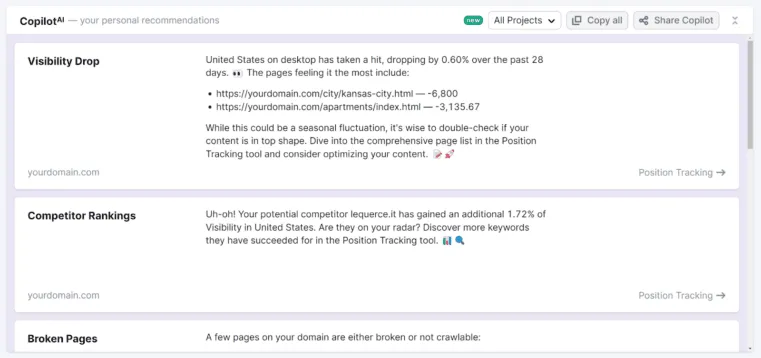
How AI Helps:
-
Content Generation: AI-powered tools like Jasper AI, ChatGPT, and Writesonic assist in drafting blog posts, product descriptions, and meta descriptions.
-
Readability Analysis: AI suggests improvements for sentence structure, tone, and clarity.
-
Content Optimization: Tools like Surfer SEO and Clearscope compare your content with top-ranking pages and recommend keyword placements.
Best Practices:
-
AI should assist in content creation, but human writers should refine and edit for creativity and authenticity.
-
Optimize for both search engines and user experience.
4. Analyze Data
AI-driven SEO tools can process vast amounts of data in seconds, helping marketers make data-driven decisions.
How AI Helps:
-
User Behavior Analysis: AI tools like Google Analytics 4 (GA4) track how users interact with your site.
-
Performance Metrics: AI measures key performance indicators (KPIs) such as bounce rates, session durations, and conversion rates.
-
Competitor Benchmarking: AI analyzes competitors’ rankings, backlink profiles, and content performance.
Best Practices:
-
Regularly monitor your website’s analytics to identify areas for improvement.
-
Use AI-generated insights to refine your SEO strategy.
5. Run SEO Audits
AI-powered SEO audits help identify technical and on-page SEO issues that may impact rankings.
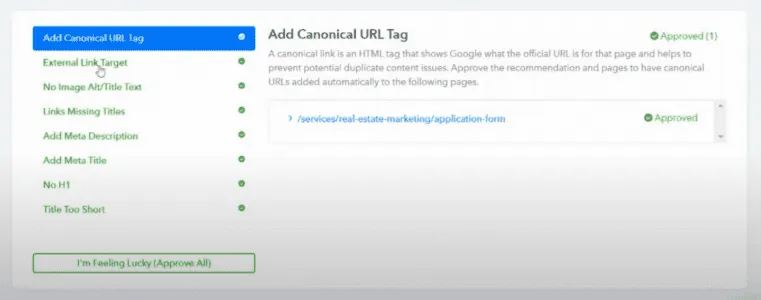
How AI Helps:
-
Detecting broken links: AI finds and alerts you to broken links that could harm your SEO.
-
Checking site speed: AI tools like Google PageSpeed Insights analyze loading times and suggest improvements.
-
Identifying crawl errors: AI scans your website for indexing issues and suggests fixes.
Best Practices:
-
Schedule regular SEO audits to maintain optimal website health.
-
Fix technical SEO issues promptly to prevent ranking drops.
6. Improve Internal Linking
A well-structured internal linking strategy helps distribute page authority and enhances user experience. AI can automate this process.
How AI Helps:
-
Suggesting relevant internal links: AI tools like Link Whisper recommend strategic internal links.
-
Optimizing anchor text: AI identifies the best anchor text to improve relevance and SEO.
-
Balancing link equity: AI ensures important pages get proper link distribution.
Best Practices:
-
Use AI-suggested links wisely and avoid over-linking.
-
Prioritize linking to high-value pages to improve authority.
7. Run a Backlink Analysis
Backlinks are essential for domain authority and rankings. AI can analyze and refine backlink strategies.
How AI Helps:
-
Identifying toxic backlinks: AI tools like SEMrush Backlink Audit flag harmful links.
-
Discovering new backlink opportunities: AI finds websites that could provide valuable backlinks.
-
Monitoring backlink performance: AI tracks backlinks and their impact on SEO.
Best Practices:
-
Disavow toxic backlinks that may harm your site’s reputation.
-
Focus on acquiring high-quality, relevant backlinks.
8. Generate Schema Markup
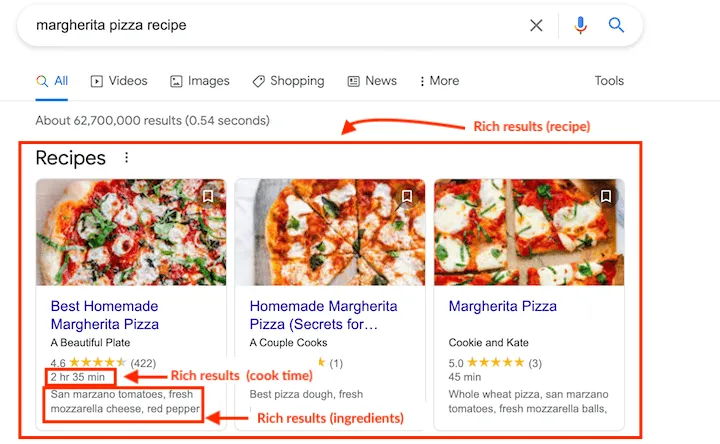
Schema markup helps search engines understand your content better, leading to enhanced SERP visibility.
How AI Helps:
-
Automating structured data generation: AI tools like Merkle’s Schema Markup Generator create JSON-LD markup.
-
Identifying relevant schema types: AI suggests appropriate schema tags based on content type.
-
Optimizing for rich snippets: AI ensures schema markup aligns with Google’s rich results.
Best Practices:
-
Use AI-generated schema markup to improve search appearance.
-
Validate schema using Google’s Rich Results Test.
Other SEO Tasks That AI Can Help With
AI is not limited to content creation and keyword research—it plays a crucial role in multiple SEO tasks that improve website performance and search visibility. Below are key areas where AI can provide valuable assistance:
Content Ideation
AI analyzes search trends, audience preferences, and competitor content to suggest new content ideas. By using tools like BuzzSumo, ChatGPT, and Clearscope, marketers can discover high-impact topics that attract organic traffic.
How It Helps:
-
Identifies trending topics in real-time.
-
Finds content gaps based on competitor analysis.
-
Suggests article structures and outlines.
Clustering
AI categorizes content into topic clusters, helping websites build pillar pages and supporting content that improve search rankings.
How It Helps:
-
Groups similar content topics to improve internal linking.
-
Enhances topical authority for better SEO performance.
-
Improves content organization for user experience.
Semantic Analysis
AI-powered Natural Language Processing (NLP) helps understand the meaning behind keywords and phrases. This ensures that content aligns with search intent rather than just focusing on keyword matching.
How It Helps:
-
Improves keyword relevance by understanding semantic relationships.
-
Helps create content that aligns with Google’s RankBrain algorithm.
-
Identifies latent semantic indexing (LSI) keywords.
Competitive Insight
AI-driven competitor analysis tools like SEMrush, Ahrefs, and SpyFu help businesses understand their competition’s strategies.
How It Helps:
-
Identifies top-ranking competitor keywords.
-
Analyzes backlink profiles to find new linking opportunities.
-
Tracks content engagement metrics to refine strategies.
Content Outlines
AI can generate SEO-friendly content outlines by analyzing high-ranking pages and structuring content based on best practices.
How It Helps:
-
Suggests H1, H2, and H3 headings for optimized content structure.
-
Ensures logical content flow for readability.
-
Recommends word count based on competitors’ content length.
Persona Development
AI can build detailed audience personas based on user behavior, demographics, and preferences.
How It Helps:
-
Segments audiences for personalized content marketing.
-
Identifies pain points and search patterns of potential customers.
-
Enhances user experience by tailoring content to different personas.
Keyword Categorization
AI organizes keywords into meaningful groups based on search intent (informational, transactional, commercial, and navigational).
How It Helps:
-
Improves keyword targeting and strategy.
-
Helps optimize content for different stages of the buyer’s journey.
-
Reduces keyword cannibalization by assigning the right keywords to the right pages.
Content Refresh Suggestions
AI tools analyze underperforming content and suggest improvements to boost rankings.
How It Helps:
-
Identifies outdated or low-performing pages.
-
Suggests content updates based on search trends.
-
Recommends new keyword insertions for relevance.
Search Intent Matching
AI helps marketers align content with user intent, ensuring that pages rank for the right queries.
How It Helps:
-
Analyzes search queries to determine user expectations.
-
Suggests content improvements for better intent alignment.
-
Increases conversion rates by serving the right content to the right audience.
4 AI SEO Best Practices
To maximize the benefits of AI in SEO, businesses must follow best practices to ensure ethical and effective implementation.
1. Establish Internal Guidelines for AI Use
AI should support SEO efforts rather than fully automate them. Organizations must set clear guidelines to ensure responsible AI usage.
Best Practices:
-
Define what AI can and cannot do within SEO processes.
-
Assign human oversight for AI-generated content.
-
Ensure compliance with search engine guidelines to avoid penalties.
2. Create Detailed Prompts
AI performs best when given specific, well-structured prompts. The more detailed the input, the more accurate the output.
Best Practices:
-
Provide clear tone, format, and keyword requirements in AI prompts.
-
Use structured input for meta descriptions, headlines, and blog outlines.
-
Continuously refine prompts to improve AI-generated content.
3. Combine AI SEO With Human Expertise
AI should enhance human decision-making, not replace it. A human-AI collaboration ensures content remains authentic, valuable, and engaging.
Best Practices:
-
Use AI for data-driven insights, but rely on humans for creativity.
-
Manually review AI-generated content for accuracy and originality.
-
Adjust AI recommendations based on audience needs and business goals.
4. Comply With Data Protection Guidelines
AI relies on data for optimization, but businesses must ensure that they adhere to privacy laws like GDPR, CCPA, and Google’s AI policies.
Best Practices:
-
Avoid collecting sensitive user data without consent.
-
Use AI tools that follow strict data protection regulations.
-
Regularly audit AI-generated insights to ensure ethical use.
How To Integrate AI SEO Optimization Tools in Your Current Strategy
Integrating AI SEO tools into your digital marketing strategy requires a structured approach to ensure efficiency, accuracy, and long-term success. Below is a step-by-step guide to seamlessly incorporating AI into your SEO workflow.
1. Identify Your Goals
Before adopting AI SEO tools, clearly define what you want to achieve. AI can enhance various aspects of SEO, including content optimization, keyword research, competitor analysis, and technical audits.
Questions to Ask:
-
Are you focusing on content creation, technical SEO, or link-building?
-
Do you need AI for data analysis and reporting?
-
What SEO KPIs do you want to improve (rankings, traffic, engagement, conversions)?
Having well-defined objectives will help you choose the right AI tools and measure success effectively.
2. Audit Your Infrastructure and Staff Capabilities
AI tools require technical readiness and trained personnel for effective integration. Assess your website infrastructure, SEO software, and team’s skill set to determine compatibility.
Key Audit Areas:
-
Does your CMS (WordPress, Shopify, etc.) support AI-based plugins?
-
Do your SEO specialists, writers, and developers understand how to use AI tools?
-
Is your website optimized for AI-driven SEO improvements (structured data, content formatting, technical SEO compliance)?
If your team lacks expertise, consider training programs or hiring professionals who specialize in AI SEO.
3. Choose the Right SEO AI Tools
There are hundreds of AI-powered SEO tools, each serving different functions. Selecting the best tools depends on your goals.
Best AI SEO Tools Based on Needs:
| SEO Task | Recommended AI Tool |
|---|---|
| Keyword Research | Semrush, Ahrefs, Ubersuggest |
| Content Generation | ChatGPT, Writesonic, Jasper AI |
| On-Page SEO | Surfer SEO, AlliAI, Frase.io |
| Backlink Analysis | Moz, Linkody, Majestic |
| Rank Tracking | Serpstat, SE Ranking |
| Technical SEO Audits | Screaming Frog, Sitebulb, Lumar (DeepCrawl) |
Choose tools that offer API integrations with your existing SEO platforms for seamless automation.
4. Test and Analyze the Tool
Before full-scale implementation, test AI SEO tools to ensure they align with your needs. Conduct a trial period using small-scale projects and analyze performance.
How to Test AI SEO Tools:
-
Use pilot projects to measure effectiveness.
-
Compare AI-generated content with manually created content.
-
Check data accuracy and insights for keyword research and analytics.
-
Analyze ease of integration with existing platforms.
Once validated, you can move on to full deployment.
5. Implement in Phases
Rolling out AI SEO tools in stages minimizes risks and ensures smooth adaptation.
Step-by-Step Implementation Plan:
-
Start with one AI-powered task (e.g., keyword research or SEO audits).
-
Integrate automated content optimization tools for on-page SEO.
-
Gradually incorporate AI-generated content suggestions.
-
Expand AI usage to technical SEO and backlink analysis.
By implementing AI progressively, teams can adapt to changes while refining their SEO strategies.
6. Train Teams
AI SEO tools are only as effective as the people using them. Ongoing training ensures that your team understands how to maximize AI capabilities.
Training Essentials:
-
Provide hands-on workshops for marketers, SEO specialists, and content creators.
-
Teach best practices for AI-driven keyword research, content generation, and SEO audits.
-
Ensure compliance with Google’s SEO guidelines when using AI-generated content.
Encouraging collaboration between AI and human expertise leads to better optimization and ethical AI implementation.
7. Monitor and Optimize
AI tools require continuous monitoring and fine-tuning to ensure peak performance.
How to Optimize AI SEO Tools:
-
Track KPIs (organic traffic, rankings, bounce rates, conversions).
-
Regularly update AI-generated content to maintain relevance.
-
Adjust AI prompts and configurations for better accuracy.
-
Stay informed about AI SEO trends and algorithm updates.
Consistent monitoring helps prevent issues like over-optimization and ensures that AI contributes positively to your SEO strategy.
7 Must-Have AI Tools for Website SEO
AI-powered SEO tools have revolutionized the way businesses optimize their websites, improving search rankings, automating tasks, and boosting efficiency. Below are seven must-have AI tools that can help enhance your website’s SEO strategy in 2025.
1. ChatGPT – Best for AI-Generated Content & SEO Assistance

Overview:
ChatGPT, powered by OpenAI, is an advanced AI language model that assists with content creation, keyword research, and SEO automation.
Best Features:
✔️ Generates high-quality SEO-friendly content.
✔️ Helps with content ideation, meta descriptions, and headings.
✔️ Assists in long-tail keyword optimization.
✔️ Can create schema markup and structured data.
Limitations:
❌ Lacks real-time data; needs integration with SEO tools.
❌ May require manual fact-checking to ensure accuracy.
2. Semrush Copilot – Best for AI-Driven SEO Analysis
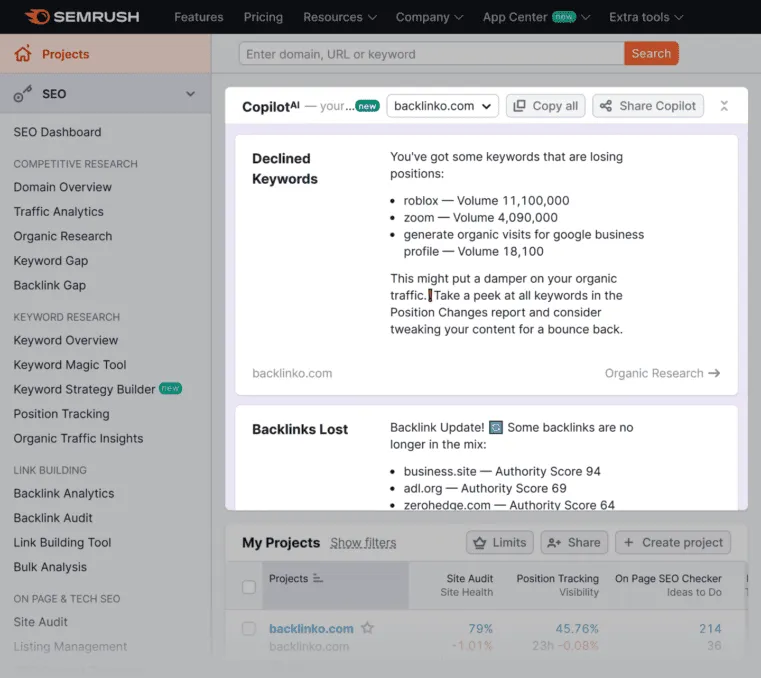
Overview:
Semrush Copilot is an AI-powered assistant integrated into Semrush’s platform, offering insights and automation for SEO, PPC, and content marketing.
Best Features:
✔️ AI-based keyword research and competitive analysis.
✔️ Automates SEO audits and provides real-time recommendations.
✔️ Helps track SERP changes and algorithm updates.
✔️ Integrates with Google Search Console for accurate reporting.
Limitations:
❌ Requires a paid Semrush subscription.
❌ Learning curve for beginners.
3. Surfer AI – Best for AI-Driven Content Optimization
Overview:
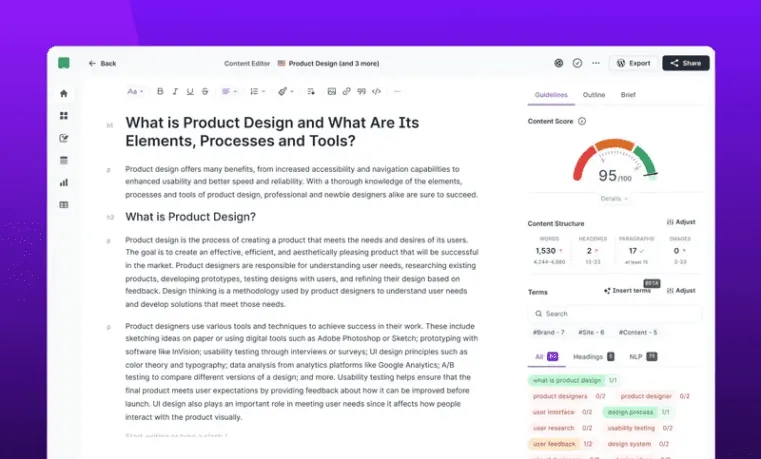
Surfer AI is a powerful on-page SEO tool that helps optimize content by analyzing top-ranking pages and suggesting improvements.
Best Features:
✔️ AI-powered content scoring and NLP optimization.
✔️ Provides real-time keyword suggestions while writing.
✔️ Helps in structuring articles for higher readability and engagement.
✔️ Automates content audits and SEO recommendations.
Limitations:
❌ Requires manual fine-tuning to align with brand voice.
❌ Expensive for small businesses.
4. AlliAI – Best for Automated On-Page SEO
Overview:
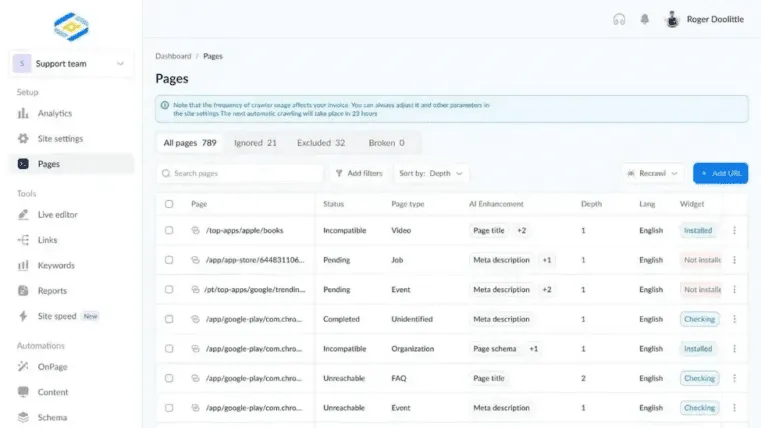
AlliAI is an automated SEO optimization tool designed for real-time on-page improvements, making it ideal for website owners looking for hands-off SEO solutions.
Best Features:
✔️ Live SEO editing – updates website elements instantly.
✔️ AI-powered meta tag and title optimization.
✔️ Automates internal linking and structured data implementation.
✔️ Works across various CMS platforms (WordPress, Shopify, Wix).
Limitations:
❌ Not ideal for deep content analysis.
❌ May require manual intervention for complex SEO strategies.
5. Writesonic – Best for AI Content Creation
Overview:
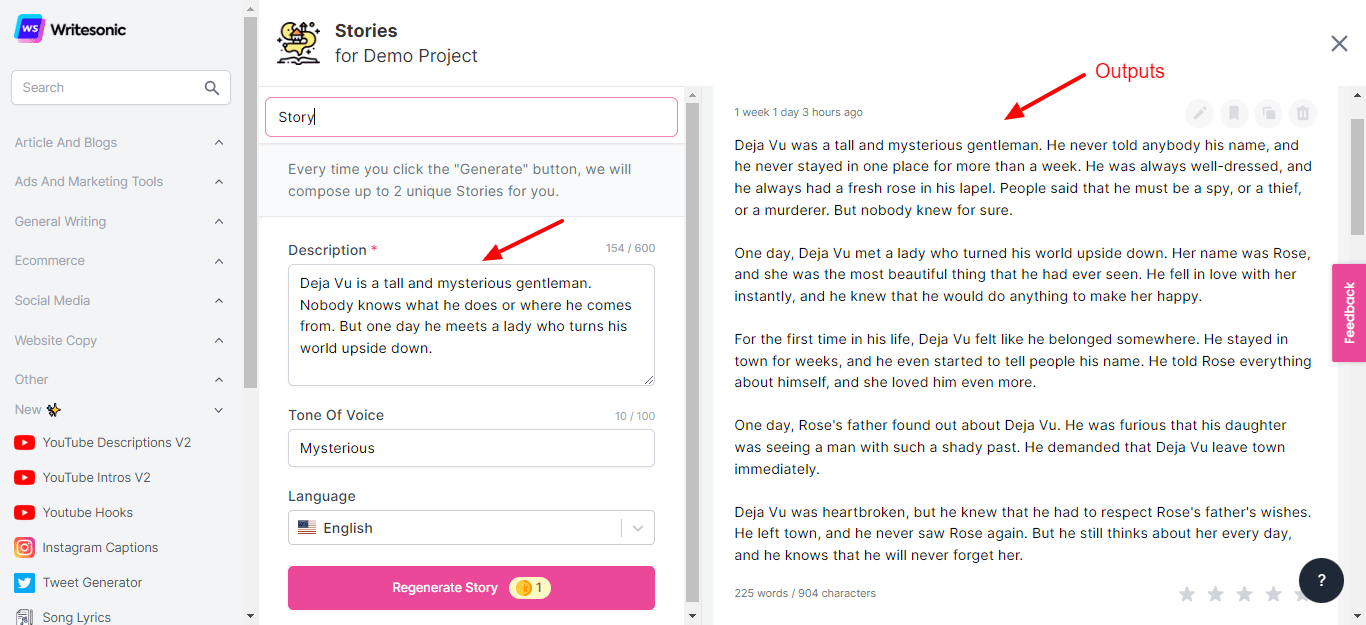
Writesonic is an AI writing assistant that generates SEO-optimized blog posts, ad copy, and product descriptions within seconds.
Best Features:
✔️ AI-powered blog writing, ad copy, and social media content.
✔️ Generates meta descriptions, headings, and SEO-friendly paragraphs.
✔️ Supports multiple languages for global SEO.
✔️ Includes plagiarism detection and readability enhancements.
Limitations:
❌ AI-generated content may lack human creativity.
❌ Requires fact-checking for accuracy.
6. Shopify Magic – Best for E-Commerce SEO Automation
Overview:
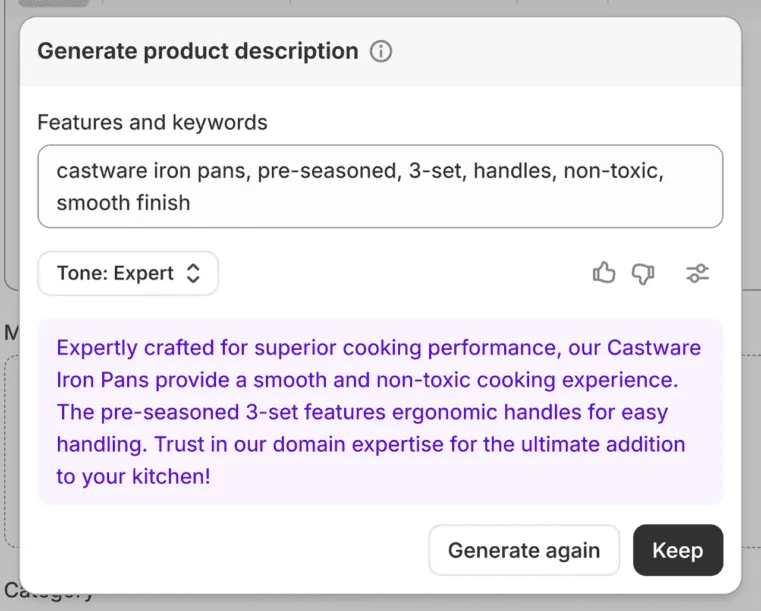
Shopify Magic is an AI-powered tool for Shopify store owners, helping them automate SEO, content creation, and product optimization.
Best Features:
✔️ Generates SEO-friendly product descriptions and tags.
✔️ AI-powered image alt-text optimization for better rankings.
✔️ Suggests relevant keywords for product listings.
✔️ Enhances store visibility on search engines.
Limitations:
❌ Limited to Shopify users.
❌ Doesn’t provide deep SEO audits like Semrush or Ahrefs.
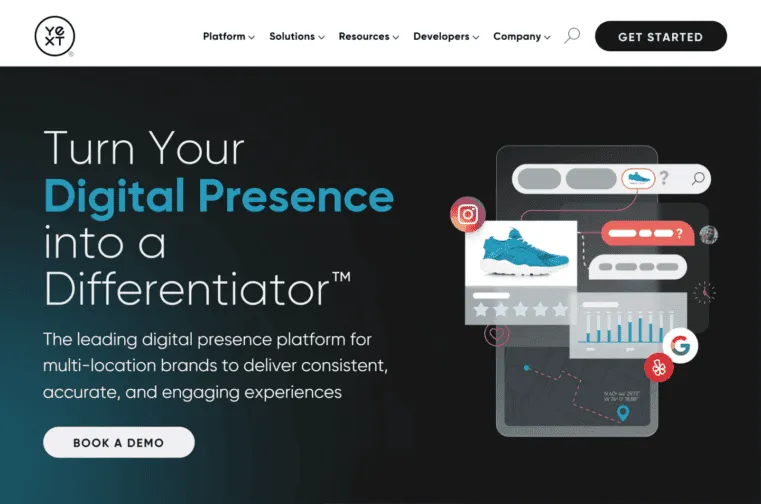
7. Yext – Best for AI-Powered Local SEO
Overview:
Yext is an AI-driven local SEO tool that helps businesses optimize online listings, reviews, and citations for better local search rankings.
Best Features:
✔️ Automates business listing management across Google, Yelp, and Bing.
✔️ AI-powered review sentiment analysis for reputation management.
✔️ Enhances Google My Business (GMB) optimization.
✔️ Helps businesses rank higher in local search results.
Limitations:
❌ Expensive for small businesses.
❌ Limited keyword research capabilities.
Optimize Rankings with AI-Powered SEO from Pro Real Tech
The rise of AI in SEO has sparked debates over content quality and originality. Many fear that automated content could result in generic, uninspired material that fails to engage audiences. Additionally, an overreliance on AI for SEO may lead to robotic, keyword-stuffed strategies that lack the depth and creativity users expect.
While AI is an excellent tool for keyword research, content structuring, and automation, it works best when paired with human expertise. At Pro Real Tech, we blend AI-driven insights with human creativity to ensure that SEO strategies remain effective, high-quality, and audience-focused.
Our team has extensive experience adapting to search engine updates and evolving digital trends. We understand that even advanced AI models like ChatGPT depend on accurate, well-researched data. That’s why we implement strict quality control measures, internal best practices, and hands-on oversight to prevent SEO pitfalls.
For long-term, sustainable growth and impactful rankings, trust Pro Real Tech. Talk to our SEO experts today and elevate your search visibility! 🚀
AI SEO FAQs
WHAT IS AI FOR SEO, AND HOW DOES IT WORK?
AI for SEO refers to the use of artificial intelligence to analyze data, automate tasks, and optimize search engine performance. AI-powered tools can assist with keyword research, content creation, SEO audits, link building, and ranking predictions. By leveraging machine learning, natural language processing (NLP), and automation, AI helps websites improve their visibility, refine content strategies, and stay competitive in search rankings.
WHAT ARE THE BENEFITS OF USING AI-DRIVEN SEO?
AI-driven SEO offers numerous advantages, including:
✅ Faster keyword research – AI analyzes vast amounts of data to identify high-performing keywords.
✅ Automated content optimization – AI suggests headlines, meta descriptions, and keyword placement to enhance SEO.
✅ Predictive analytics – AI anticipates ranking changes and search trends for better strategy planning.
✅ Improved user experience – AI personalizes content and refines search intent matching.
✅ SEO automation – Reduces manual effort for tasks like backlink analysis, audits, and schema markup.
WILL AI COMPLETELY REPLACE SEO EXPERTS AND CONTENT CREATORS?
No, AI will not replace SEO experts and content creators but will augment their capabilities. While AI can automate repetitive SEO tasks, human expertise is essential for:
✔ Creative storytelling – AI struggles with emotional intelligence and nuanced writing.
✔ Strategic decision-making – Human oversight ensures SEO strategies align with business goals.
✔ Ethical SEO practices – Experts ensure AI-driven content complies with search engine guidelines.
✔ User engagement – Authentic, well-researched content builds trust with audiences.
WHAT ARE THE CHALLENGES OF USING AI TOOLS FOR WEBSITE SEO?
Using AI for SEO presents some challenges, such as:
⚠ Lack of originality – AI-generated content can feel robotic or repetitive.
⚠ AI bias – AI models may favor certain search patterns, limiting diversity in content.
⚠ Overoptimization risks – Excessive automation can lead to keyword stuffing and lower readability.
⚠ Data privacy concerns – AI tools must comply with data protection laws to avoid ethical violations.
IS IT ETHICAL TO USE AI FOR SEO?
Yes, but only when used responsibly. Ethical AI SEO practices include:
✔ Ensuring transparency – Clearly disclose AI-generated content when necessary.
✔ Maintaining content quality – Use AI to assist, not replace, human creativity.
✔ Following search engine guidelines – Avoid spammy or manipulative SEO tactics.
✔ Respecting data privacy – Ensure AI-driven tools comply with GDPR, CCPA, and other data regulations.
HOW CAN SEARCH ENGINES PREVENT THE MISUSE OF AI?
Search engines combat AI misuse through:
🔍 Algorithm updates – Google’s algorithms continuously evolve to detect AI-generated spam.
🔍 Content authenticity checks – AI-written content that lacks originality or violates SEO best practices is penalized.
🔍 E-E-A-T guidelines – Google prioritizes content with Experience, Expertise, Authoritativeness, and Trustworthiness to limit AI abuse.
🔍 Manual reviews and penalties – Websites engaging in AI-generated spam or unethical practices face ranking penalties.


